For plumbers, drain specialists and maintenance teams across Australia, clogged drains are part of everyday work. Using a sewer jetter, also known as a hydro jetter or drain jetter, provides a fast and reliable way to clear blockages with pressurised water, high-pressure hoses, and specialised jetter nozzles. When you understand how these machines operate, how to select the right one, and how to maintain the equipment, you reduce downtime, prevent callbacks, and complete every drain cleaning job with confidence.
Sewer jetters are specifically designed for use inside sewer lines and drain pipes. Unlike a pressure washer or power washer used on an exterior wall or driveway, a jetter pushes water down the drain line at high pressure, scrubbing the pipe wall and removing blockages such as grease, debris, and even tree roots. The more familiar you are with the equipment, the more effective your drain cleaning becomes.
What Is a Sewer Jetter?
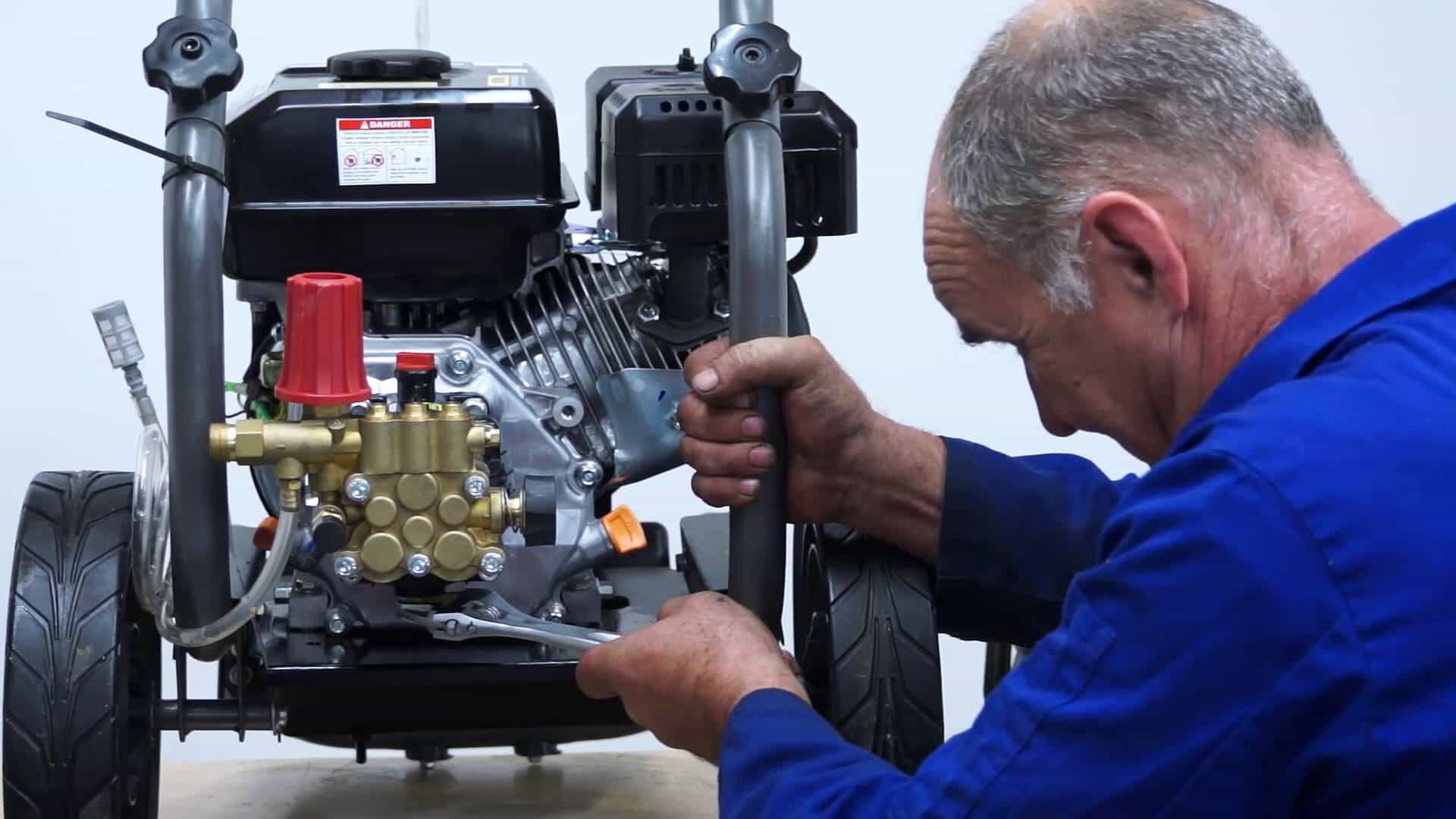
Understanding the components of a sewer jetter helps you determine which model suits your work and why each component is important when clearing tough clogs.
Components
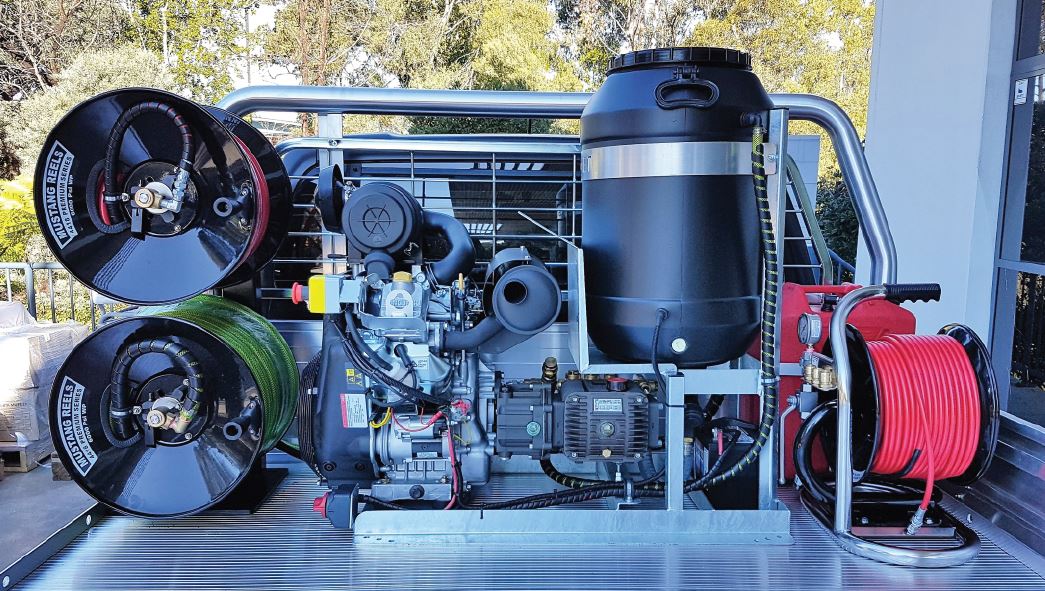
A standard sewer jetter includes:
• A high-pressure hose or sewer jetter hose designed for navigating pipes
• A pump powered by gas or electricity
• Interchangeable nozzle jets for different pipe diameters
• A trigger gun or pressure control handle for safe operating
• A jetter nozzle that delivers a high-velocity spray inside the pipe
• A supply inlet for your garden hose to run water into the machine
The jetter hose feeds the nozzle through the line, and when you pull the trigger gun, pressurised water shoots backwards from the nozzles, drawing the hose forward and scrubbing the pipe wall. Different nozzles create different spray patterns for blockages such as grease, scale, debris, or roots.
Knowing how the equipment works makes it easier to match the right hose, nozzle and water pressure to each drain, whether you’re clearing a sink, stormwater line or a commercial sewer.
Sewer Jetters vs Pressure Washers
Many tradies new to drain jetters wonder whether a pressure washer can handle a blocked drain. Although the tools look similar, the difference is critical if you want to avoid damaged fittings, low pressure in the pipe or a jetter stuck halfway down a line.
Key Differences
• Pressure washers clean surfaces, floors and exterior walls.
• Sewer jetters clean the inside of drains, sewer lines and stormwater pipes.
• Jetters use specialised nozzles designed to clear blockages and pull the hose forward.
• Pressure washers direct force forward, which makes them unsuitable for drain cleaning.
Using a machine designed for pipes ensures safe clearing, protects your equipment and guarantees much better results on-site.
Choosing The Right Sewer Jetter
Selecting the right hydro jetter makes a significant difference. With the right pressure, flow, hoses and nozzles, you can save time, protect your equipment and achieve cleaner lines with less effort.
What to Consider
• Pressure and flow: Higher psi and gallons per minute help remove blockages and push through long drain lines.
• Hose and nozzles: Match the jetter hose and nozzle jets to pipe diameter.
• Power source: Gas units deliver more power; electric models suit indoor use.
• Safety features: Look for quality pressure control, a sturdy trigger gun and proper safety gear.
Thinking through these factors ensures the machine suits the work, from residential bathroom drains to grease-heavy commercial lines.
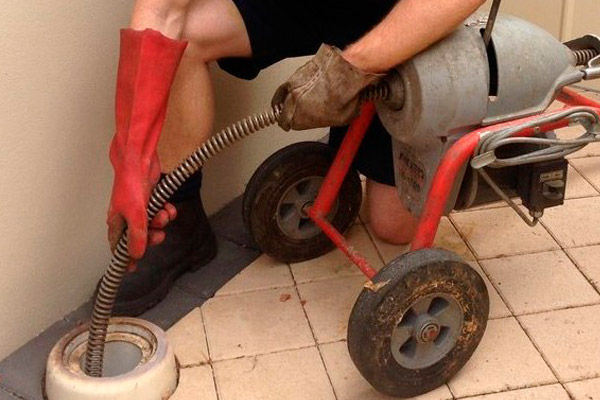
How To Use a Sewer Jetter
Operating a sewer jetter correctly protects your hoses, prevents unnecessary strain on the pump and makes every drain cleaning job more effective.
Steps
• Prepare the machine: Inspect hoses, nozzles and fittings; check the pump and inlet.
• Put safety first: Wear eye protection, gloves and protective clothing.
• Connect water: Attach a garden hose, run cold water and confirm stable water pressure.
• Insert the hose: Feed the jetter hose gently into the drain line.
• Operate: Pull the trigger gun and guide the hose through the pipe without forcing it.
• Adjust as required: Switch nozzles to deal with tree roots, debris or compacted grease.
• Finish: Flush the line, draw the hose back steadily and wash down the machine.
Good operating habits extend hose life, protect fittings and help you clear drains efficiently, even in older plumbing systems.
Maintaining Your Sewer Jetter
A sewer jetter works hard pushing pressurised water, debris and grease through sewer pipes, so regular maintenance is essential to prevent leaks and equipment failure.
Essentials
• Inspect hoses, couplings and nozzles for wear.
• Clean the machine after every job.
• Flush debris from the pump inlet and filters.
• Store the jetter in a dry area.
• Arrange professional servicing for pumps and seals.
Routine upkeep ensures consistent water pressure, reduces breakdowns and helps your hydro jetter last through demanding work schedules.
Dealing With Common Issues
Even the best machines face challenges mid-job. Knowing quick fixes keeps your workflow moving and prevents delays that cost time and money.
Common Problems
• Low pressure: Check for blocked nozzle jets, leaks or a kinked hose.
• Hose stuck in the pipe: Change nozzles, alter your angle or reverse the pressure slightly.
• Debris buildup: Clean filters, the pump inlet and nozzle jets.
• Blockage not clearing: Switch to a rotating nozzle or increase flow.
• Pump not pulling water: Check garden hose connections, cold water supply and filters.
Quick troubleshooting protects your equipment, keeps the job on schedule and avoids unnecessary callbacks.
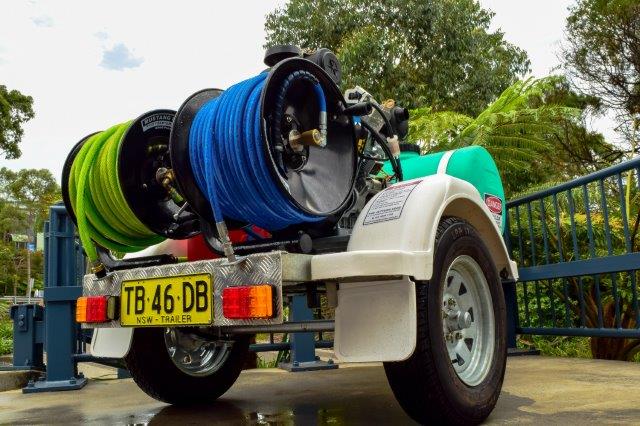
Industrial & Commercial Applications
Hydro jetters are relied on across commercial plumbing, construction and maintenance because they deliver better reach, stronger water pressure and safer clearing of large sewer pipes.
Where They Shine
• Commercial kitchens with heavy grease buildup
• Construction sites blocking stormwater lines
• Municipal sewer systems
• Industrial plants where debris clogs pipes
• Property maintenance teams handling frequent blockages
Using the right sewer jetter in commercial environments prevents recurring issues, protects infrastructure and keeps large sites operating smoothly.
Need Help Choosing A Sewer Jetter That’s Right For The Job?
For Australian tradies and plumbing crews, sewer jetters make drain cleaning faster, safer and far more effective. When you pair the right machine with good operating habits and regular maintenance, you can tackle tough clogs, tree roots, grease and debris with confidence.
Investing in quality equipment and combining your hydro jetter with tools like drain cameras ensures clean, clear sewer lines and reliable results on every job. If you need help choosing the right system, or advice on how to get the best out of your current set-up, get in touch with the team at Melbourne Jetter Centre today.